

Do you remember how girls and boys dressed up for New Year’s celebrations in kindergarten? It was usually something like “snowflake girls” and “bunny boys.” Year after year, the same pattern repeated itself.
And what was your favourite toy? Mine was a doll named Liubashka. In fact, dolls were almost the only gifts I ever received—always with long hair and pink dresses. Now let’s take a look at whether gender stereotypes had anything to do with that.
Gender and Sex Are Different Things
The concepts of sex and gender have both similarities and differences. Both are characteristics of a person. The key distinction is that sex is not unique to humans—it also applies to animals (such as birds and fish) and plants. Flowers and cats, however, do not have gender characteristics.
So, sex is a biological characteristic. It refers to the physical sex traits a person is born with. Most newborns are classified as either male or female. There is, however, a third possibility, which is much less common: being intersex. This does not mean that a person possesses all the characteristics of both sexes. Intersex people may have a range of traits that differ from the two typical sex categories, such as variations in sex chromosomes, hormone levels, or reproductive anatomy.
Some chromosomal variations may not be visible externally, and intersex traits can sometimes only be identified through specific medical testing. According to the World Health Organization, intersex people make up between 0.5% and 1.7% of the global population.
Gender, on the other hand, is a social and cultural concept. It refers to the traits and characteristics that society expects people to have based on their sex. For example, in Ukrainian culture, women are often expected to be caring, emotional, and compassionate, while men are expected to be resilient, tough, and reserved.

It is important to understand that social expectations are not always fair. You should not feel pressured to reshape yourself simply to meet the expectations of parents, friends, teachers, or anyone else. It is far better to be the person you feel comfortable being. There is nothing wrong with a boy being gentle and affectionate, or with a girl being the opposite.
“Real” Men and Women Exist Only in Stereotypes
The standard set of qualities associated with “real” women and “real” men begins to take shape in a child’s mind from a very early age.
For example, when a kindergarten teacher scolds girls for being naughty and playing supposedly “boys’” games (racing, shooting games, etc.). In fact, there is no official division into “boys’” and “girls’” games, these are all gender stereotypes.
The same story continues at school, when the teacher, checking the notebooks, notes that “Marina’s handwriting is terrible, like a boy’s.” Thus, the teacher draws attention to the fact that girls should be neater, more responsible in terms of their studies, according to the gender stereotype.
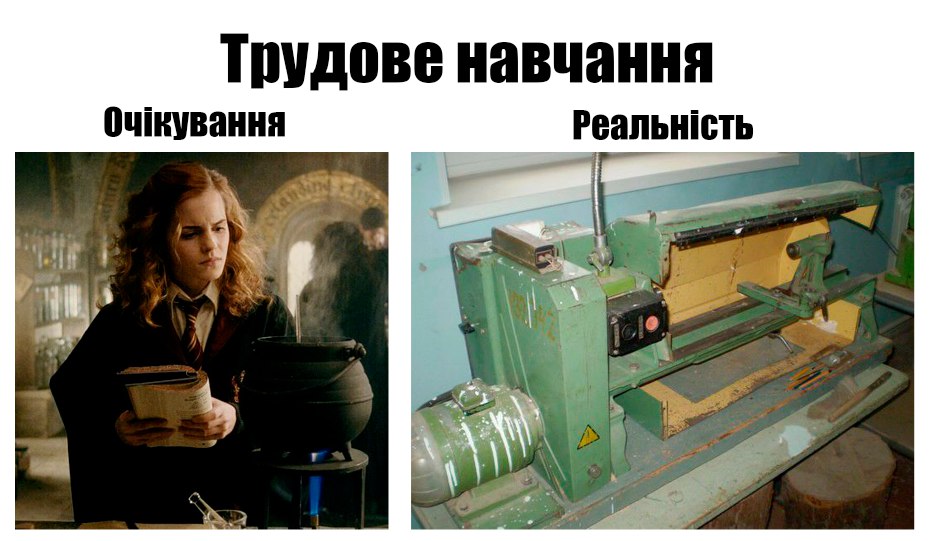
And when it comes to a school discipline like “Labor Training,” the situation is even stranger. No matter how much the school administration wants it, not all girls like to cook and cross-stitch, just as not all boys like to repair furniture. Let’s not forget that this is an education system that has been formed over decades. Recently, division of labor in lessons was made optional, but it is difficult for schools to quickly change approaches. If studying the basics of sewing, cooking, or making metal parts makes you uncomfortable, we advise you, preferably together with your parents, to agree with the school administration or teacher about finding alternative activities, such as origami or papier-mâché.
The school uniform also limits the possibility of self-expression, because, according to the established school rules (which, however, may differ in different schools), girls must wear skirts and blouses, and boys – business suits. To feel comfortable and convenient in this uniform, you should approach the choice of clothes very responsibly. The skirt can be replaced with business trousers (of course, after discussing this issue with your parents and class teacher), complement the image with stylish shirts and blouses of various shades that will correspond to the official style. Similarly, a business suit for boys can go beyond black trousers and a white shirt, although it must still correspond to the established dress code.
Gender Roles
You wake up in the morning – you are a daughter or a son, you go to school – you are a student, you stop by the store on the way – you are a shopper, in the evening you go for a walk with friends – you are a friend or a girlfriend. All of these and much more are gender roles that you fulfill every day.
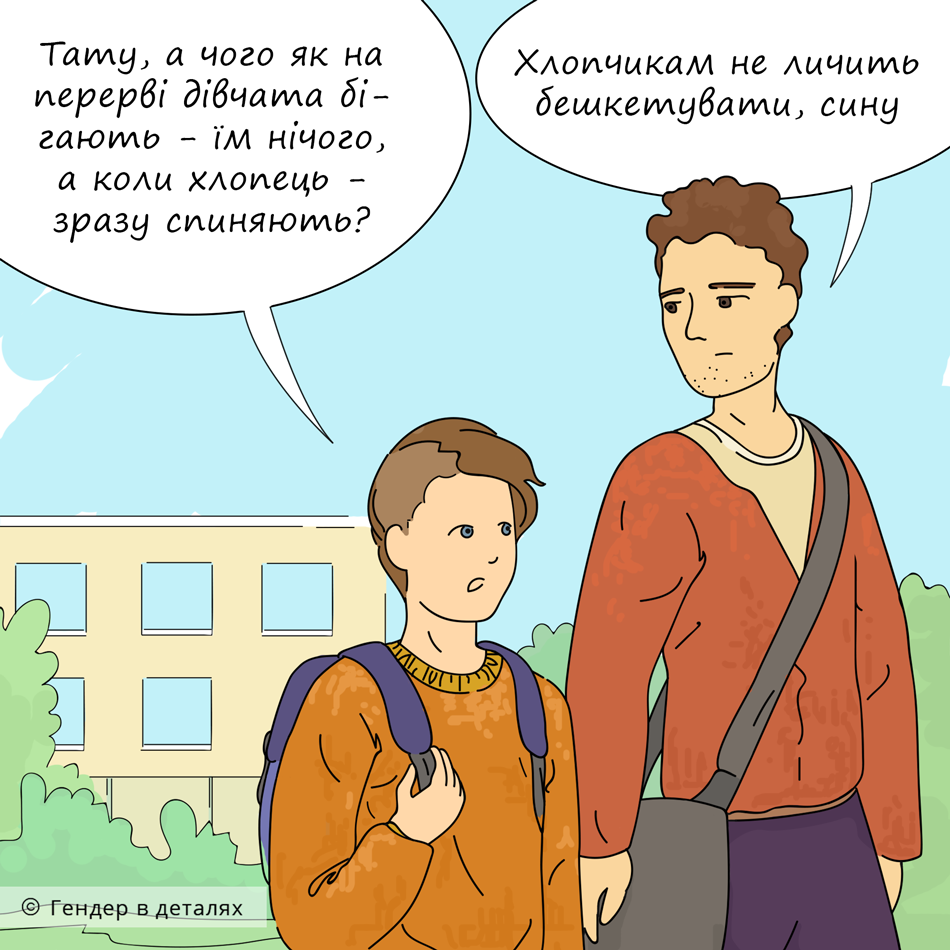
Think of typical math problem conditions: “to make borscht, mom bought 3 carrots, 2 beets, and 10 potatoes at the store,” and “dad used 7 rolls of wallpaper and 3 buckets of paint during the renovation.” Even here, a clear division of gender roles can be traced. The mother is a housewife who constantly cooks, cleans, helps with homework, and meets the father from work. In turn, the father’s main mission is to support the family, protect it, and solve complex household problems.

In fact, this is not a “norm” or an obligation. Your grandparents, mom, and dad were probably raised with this idea of ideal family relationships. Maybe your mom and dad agreed on this division of responsibilities because it’s just convenient for them. Or maybe things are different in your family?
There are families where the husband takes maternity leave and the wife continues to work. And she works, for example, as a locksmith. There are families where both parents do the housework equally. And this is also absolutely normal. The main thing is that all family members feel comfortable in such conditions.
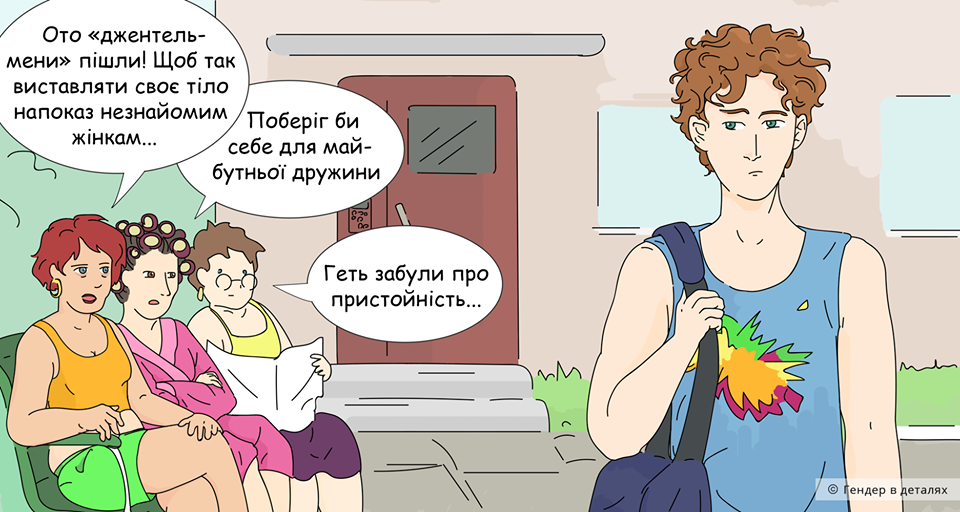
So, for example, you should not judge girls who play soccer and boys who do ballroom dancing. You should also not laugh at men who do so-called “women’s” work, and vice versa. You should not limit yourself or anyone else in his or her preferences.
On growing up, self-acceptance, and personal boundaries
The period from 10 to 20 years is sometimes called the “decade of change.” This is because up to 10 years old, children — both boys and girls — develop physically in approximately the same way: they are almost the same height and have an identical body structure. After 10 years old, a pubertal growth spurt occurs, and a child, already almost a teenager, can grow by 7–12 centimeters per year. Girls at this age usually surpass their male peers in height and development. In girls, the leap occurs on average at 10–11 years of age, in boys at 13 years of age.
With the onset of puberty, girls’ pelvis expands, hips and buttocks noticeably round, breasts enlarge, and hair begins to grow in intimate areas and armpits.
The first menstruation occurs between the ages of 9 and 15, most often at 12–14. By the way, you should not be afraid of this, you should just be prepared for it – have individual means for critical days (pads), wet and dry wipes, and painkillers if necessary. Yes, sometimes menstruation can be somewhat painful – it can “pull” the back and lower abdomen.
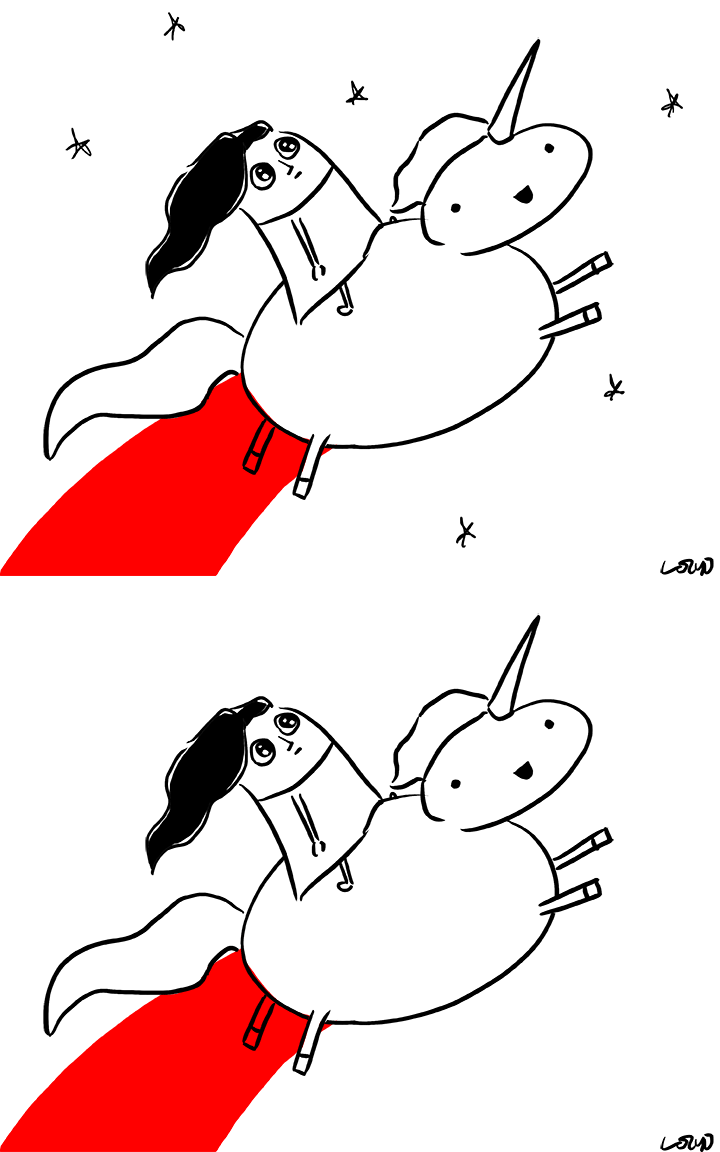
The first year (or a little more) the cycle may be irregular – usually from 22 to 34 days. A full menstrual cycle is also characterized by the presence of ovulation. Ovulation is a phenomenon in which an egg cell comes out of the follicle. Then the egg cell comes out of the ovary and is picked up by the fallopian tube. After which the egg cell gradually moves along the fallopian tube and if it meets a sperm cell on the way, fertilization will occur and the process of embryo formation will start. After the first menstruation, it is advisable to consult a gynecologist, because certain changes have occurred in the body: you have grown up, become a girl, therefore, from the moment of ovulation, after sexual contact you can get pregnant.
Physiological and psychological changes that occur in adolescence are naturally manifested through increased interest in sex, in books and films on this topic, in the opposite sex, high sexual arousal, masturbation. This is normal for both boys and girls.

Physical changes can catch teenagers by surprise, upset them, or scare them. A boy’s physique takes on typical masculine features: his shoulders become broader, his hips narrower, and his chest and back muscles become more prominent. There may even be temporary (!) swelling of the mammary glands and nipples. As a boy grows up and becomes a teenager, he experiences his first ejaculations—involuntary ejaculation of semen during sleep at night and in the morning, often accompanied by erotic dreams. Boys often perceive this process as a disease and are very worried, but this is absolutely normal.

You are growing, and it is normal that your weight may be higher or lower than that of your friends. We advise you not to limit yourself in food, but to exercise and maintain water balance. Sometimes thirst can be confused with hunger. It is better to replace “harmful” food with healthy ones: during a break at school, snack on a vegetable salad with a cutlet, rather than chips or burgers, and in the evening, sitting in front of the TV, it is better to eat sliced fruit, rather than a kilogram of ice cream.

There may be some skin problems – rashes and acne (blackheads). Both girls and boys can seek advice from a nutritionist and dermatologist, visit a beautician. An important element in the fight against rashes is skin care at home: cleansing, toning, moisturizing. There is nothing funny or shameful in the fact that a guy will use masks and face creams, because self-respect and taking care of his body do not depend on gender.
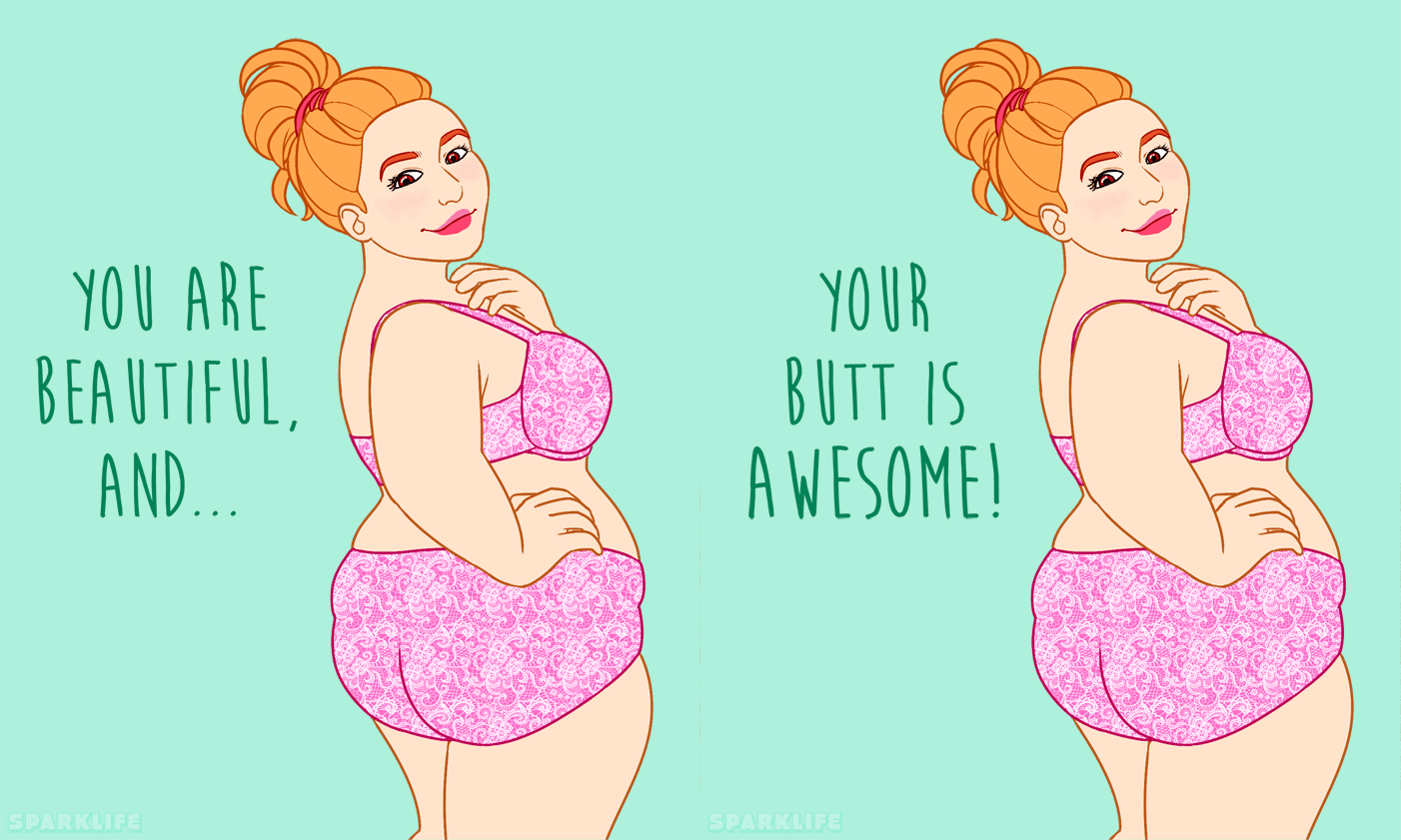
It is at this age that a choice arises: to be ashamed of yourself (to have complexes, to go on diets, to hide your body under larger clothes, to cover up skin rashes with foundation) or to accept yourself with all the features (yes, the features, not the flaws!) of your body. Accepting your body as it is (regardless of weight, skin and hair color, leg length, scars or congenital defects) is called body positivity. The slogan of this movement is “My body is my business.”
By the way, about the body and business. It is important to build clear personal boundaries. As you were explained in childhood, no one can touch you if you are uncomfortable. This is from the category: “Go fuck your grandmother, she hasn’t seen you for so long!” – and you don’t want to kiss her at all, and there may be various reasons for this.
In such cases, you need to correctly (!) explain why you don’t want to. Your parents and grandmother may be offended, but this is your personal space, and they must accept it one way or another. Try to talk (talk, not argue) and explain your position, then your parents will definitely go to your aid, understand and support you, because you are no longer a small child, but a person who has the right to choose who and when to “slap” (well, as an example).
Resources for teenagers (and not only) about sex education and growing up:
TikTok:
@serhiyfrolov — advice and answers to questions from an obstetrician-gynecologist about women’s intimate health
@ecowoman — “non-Gynecologist about sex education” for girls and boys
Instagram:
@gendeindetail — about gender identity and feminism
@vpershe — media about sex education for young people
@gender.z — about the diversity of gender relations, LGBT+ and equal rights
@uaspec.network — a blog about asexuality and aromanticism
@teenergizer — a resource for teenagers about HIV/AIDS, sex education, psychological support, activism
@podcast11a — a podcast for teenagers about sex and relationships with yourself and others
Maybe you know some other cool blogs? Write to us on Instagram @gendeindetail!


